The surge in food delivery services worldwide has transformed the way consumers access meals, sparking intense competition that impacts both prices and available options. This article explores the ongoing global food delivery wars and their consequences for customers and the industry.
The rise of global food delivery platforms
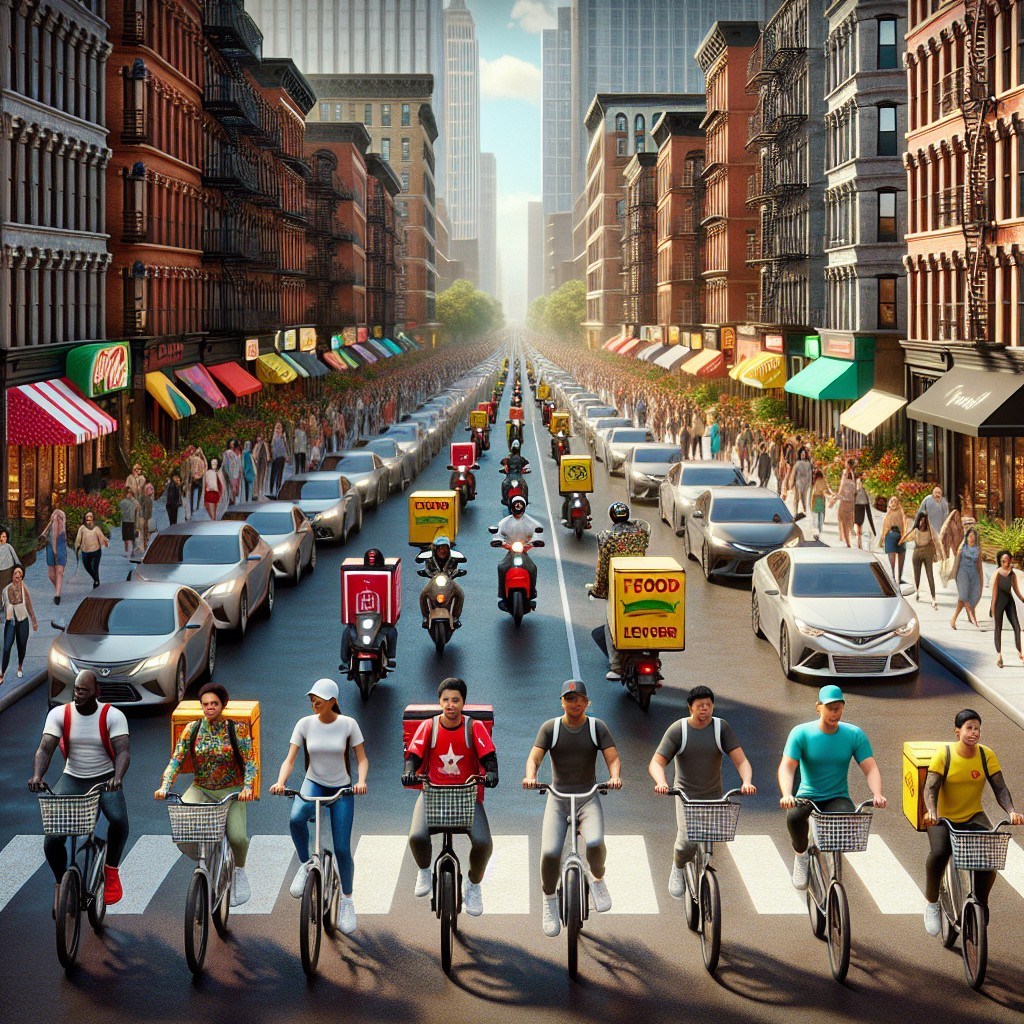
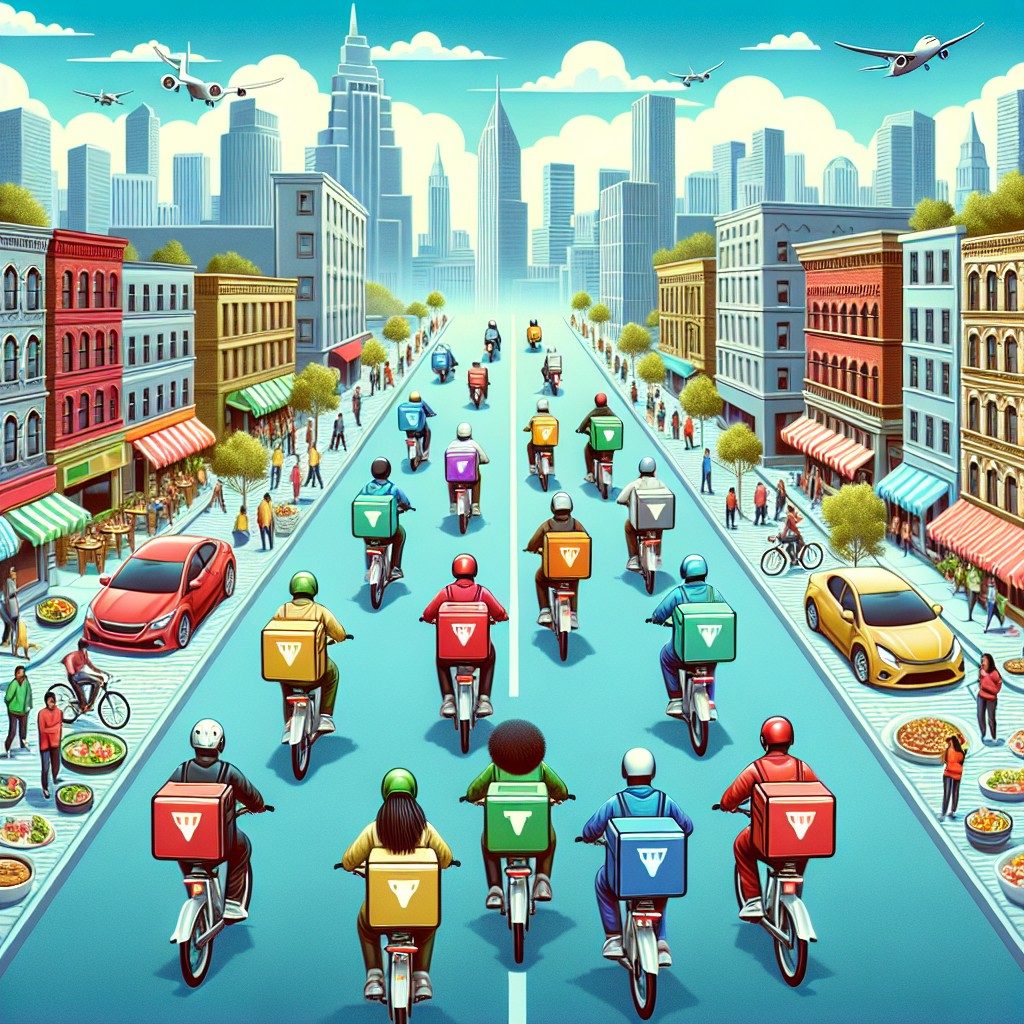
In recent years, food delivery has rapidly expanded beyond local markets to become a dominant global industry. Major players such as Uber Eats, DoorDash, Deliveroo, and Just Eat Takeaway have entered numerous countries, creating a competitive landscape that often sees aggressive marketing and pricing strategies. The convenience afforded by smartphone apps and advances in logistics technologies have accelerated this growth, making food delivery a preferred choice for millions of consumers worldwide.
Price competition fueled by intense rivalry
The competition among food delivery companies has led to fluctuating pricing dynamics. To attract and retain customers, platforms frequently reduce delivery fees, offer promotions, and subsidize meal costs. While consumers benefit from lower prices and discounts in the short term, industry experts warn that such pricing wars could undermine sustainability for restaurants and delivery partners. Additionally, some companies may increase service charges or impose stricter contractual terms on restaurants to offset losses, potentially resulting in higher overall costs in the long run.
Impact on diversity and choice of cuisine
The expansion of food delivery services has significantly broadened the variety of available cuisines, making previously niche or regional dishes accessible to a broader audience. However, the competitive environment also influences the type of restaurants featured prominently on platforms. Large chains often receive preferential treatment due to their ability to manage higher volumes and meet delivery requirements, whereas smaller independent eateries may struggle to secure visibility. This dynamic can lead to a homogenization of choices despite the apparent variety.
Technological innovation shaping the sector
Food delivery companies are investing heavily in technology to optimize operations and enhance user experience. The use of artificial intelligence for route optimization, real-time tracking, and personalized recommendations is becoming standard. Additionally, some platforms are experimenting with autonomous delivery vehicles and drones. These innovations aim to reduce delivery times and costs, which could influence pricing and increase the assortment of offerings available to consumers.
Regulatory challenges and labor issues
The rapid growth of food delivery has attracted regulatory scrutiny worldwide. Governments are addressing concerns related to labor rights for delivery drivers, data privacy, and fair competition practices. In some countries, new laws mandate minimum wage guarantees, benefits, and better working conditions for gig workers involved in the sector. Such regulations may lead to increased operational costs for food delivery companies, with potential repercussions on pricing strategies and service quality.
In summary, the ongoing food delivery wars globally have brought about greater convenience, pricing fluctuations, and expanded choices for consumers. While competition drives innovation and accessibility, maintaining a balance that supports restaurants, delivery workers, and customers remains a complex challenge. Industry observers anticipate continued evolution shaped by technology advancements and regulatory frameworks.
Frequently Asked Questions about food delivery
What factors drive the competition in the food delivery market?
Competition in the food delivery market is driven by convenience, pricing strategies, technological innovation, and the range of restaurant options platforms offer to consumers.
How do food delivery wars affect prices for consumers?
Food delivery wars often result in lower prices and promotions for consumers initially, but longer-term costs may increase due to operational expenses and changes in restaurant partnerships.
Are smaller restaurants impacted differently by food delivery competition?
Yes, smaller restaurants may face challenges gaining visibility and meeting delivery requirements compared to large chains, which can affect their participation and profitability on food delivery platforms.
What role does technology play in shaping food delivery services?
Technology enhances food delivery through route optimization, real-time tracking, personalized recommendations, and emerging uses of autonomous delivery systems to improve efficiency and customer experience.
How do regulations influence the food delivery industry?
Regulations related to labor rights, data privacy, and fair competition affect operational costs and practices within the food delivery industry, influencing prices, working conditions, and service quality.