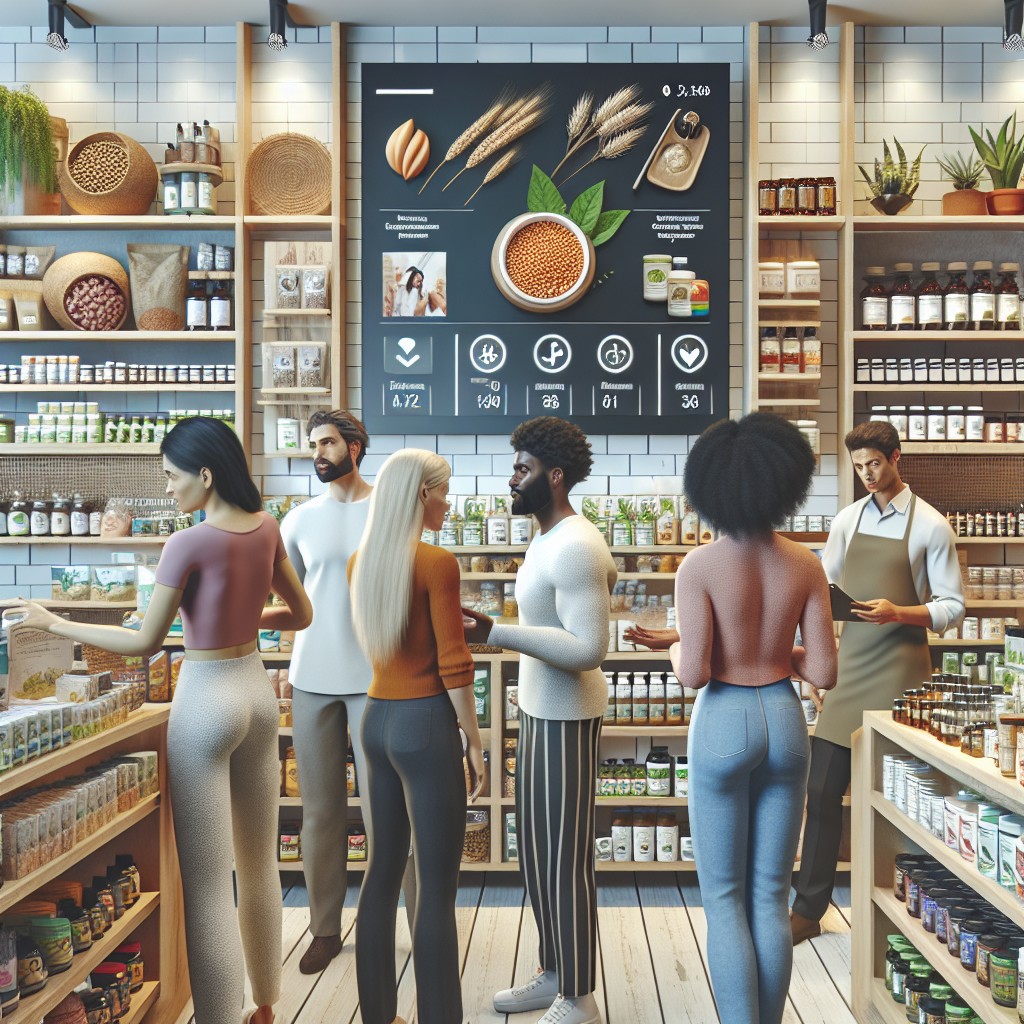
Consumer wellness spending continues to shape the global market as individuals increasingly prioritize health, mental well-being, and lifestyle improvements. Brands aiming to thrive must understand current trends and adjust their strategies in response to evolving consumer demands.
Growth in Consumer Wellness Spending Amidst Global Changes
The wellness industry has experienced steady growth even amid recent global challenges, with consumer wellness spending expanding beyond traditional health sectors. According to data from the Global Wellness Institute, global wellness spending surpassed $4.5 trillion in recent years, reflecting a broadening definition of wellness that includes mental health, nutrition, physical fitness, and preventive care. This expansion underlines how deeply wellness spending has integrated into consumer priorities worldwide.
Digital Transformation Drives Wellness Spending
One of the most significant shifts influencing wellness spending is the rise of digital health platforms. Telehealth services, wellness apps, and online fitness programs have attracted substantial consumer investment, particularly after the COVID-19 pandemic accelerated digital adoption. Brands in the wellness space must now cater to digitally savvy consumers seeking personalized and accessible wellness solutions. Investments in technology-driven wellness experiences are becoming crucial for maintaining relevance in this competitive market.
Demand for Mental Health Solutions Elevates Wellness Spending
Heightened awareness of mental health issues has transformed consumer wellness spending patterns. Products and services aimed at reducing stress, improving sleep, and managing anxiety are in greater demand. This trend has encouraged brands to develop offerings that incorporate mindfulness, therapy, and stress management tools. As mental health continues to be a priority for consumers globally, wellness spending in this category is expected to sustain its upward trajectory.
Sustainability and Transparency Influence Consumer Choices
Modern wellness consumers increasingly seek products and services aligned with environmental sustainability and corporate transparency. This preference affects wellness spending by pushing brands to adopt sustainable sourcing, eco-friendly packaging, and ethical business practices. Companies failing to meet these expectations risk losing consumer trust and market share. As a result, adapting supply chains and communication strategies to highlight sustainability is vital for success in the wellness market.
Personalization as a Key Driver in Wellness Spending
Personalization has become a central factor steering consumer wellness spending. Customized nutrition plans, fitness regimens, and wellness coaching attract consumers looking for tailored experiences that address their specific needs. Data analytics and artificial intelligence facilitate this trend by enabling brands to offer precise recommendations and monitor consumer progress. The ability to provide individualized wellness solutions is now a competitive advantage in engaging and retaining customers.
In conclusion, consumer wellness spending is evolving with stronger emphasis on digital innovation, mental health, sustainability, and personalization. Brands must adapt to these trends by integrating technology, prioritizing transparent and ethical practices, and offering customized wellness solutions. The ongoing expansion in wellness spending highlights its significance as a core component of consumer expenditure, indicating that companies aligned with these shifts are better positioned for long-term growth.
Frequently Asked Questions about wellness spending
What sectors are currently driving the increase in wellness spending?
The increase in wellness spending is primarily driven by sectors such as mental health services, digital fitness platforms, nutrition and supplementation, and sustainable wellness products.
How has digital technology impacted consumer wellness spending?
Digital technology has significantly expanded wellness spending by offering accessible virtual services, personalized wellness apps, and remote health monitoring, which meet consumers’ evolving preferences for convenience and personalization.
Why is sustainability important in the context of wellness spending?
Sustainability is important because consumers are increasingly allocating their wellness spending toward brands that demonstrate eco-friendly practices and corporate transparency, influencing purchase decisions and brand loyalty.
Can wellness spending trends vary by region?
Yes, wellness spending trends can vary by region due to differences in cultural attitudes, economic conditions, and healthcare infrastructure, which affect consumer priorities and available wellness options.
What should brands focus on to capture future wellness spending?
Brands should focus on integrating technology, offering personalized experiences, maintaining sustainability commitments, and addressing mental health needs to effectively capture future wellness spending.